

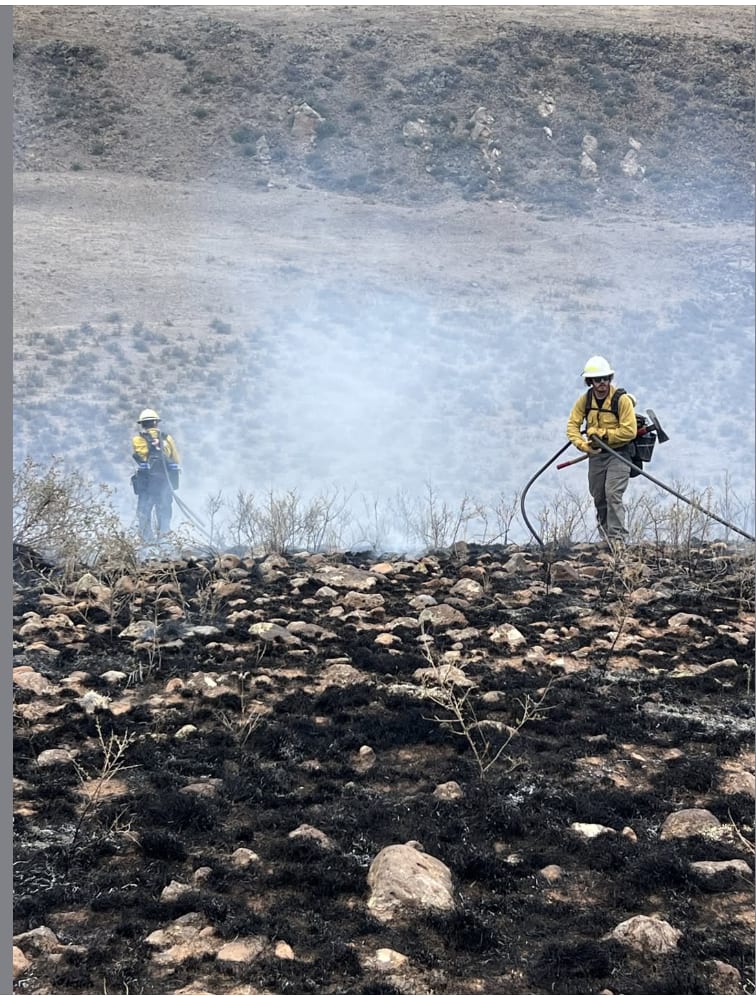

Living in Fire Country: Catron County, New Mexico
Living in Catron County, New Mexico, means embracing a rugged, beautiful lifestyle—one that comes with wide-open spaces, high desert pine forests, and the ever-present awareness that this is fire country. As one of the most forested and least populated counties in the state, Catron County offers a lifestyle of solitude, freedom, and natural wonder—but it also comes with the annual rhythm of fire seasons and the vigilant presence of Forest Service hotshot crews.
A Landscape Prone to Fire
Catron County is home to millions of acres of national forest, including the Gila and Apache-Sitgreaves National Forests. These forests are full of dry grasses, piñon-juniper woodlands, ponderosa pine stands, and steep mountainous terrain. Combined with a high-desert climate and strong summer winds, the environment is ripe for wildfires, especially during the hot, dry months of late spring and early summer.
Fire is part of the natural ecosystem here—many native species depend on it to thrive. But in recent decades, with drought conditions worsening and more homes tucked into the forest edges, fire season has become both a natural process and a human concern.
The Seasons of Fire
Catron County’s fire season typically kicks off in May and runs through the summer monsoon season, which usually starts around mid-July. Here's how the seasonal cycle plays out:
-
Spring (March – May): As snow melts and grasses dry out, fine fuels accumulate. These are the first conditions that spark red flag warnings. Prescribed burns are often done during this window to reduce risk later.
-
Early Summer (June – July): This is peak wildfire danger. Lightning from dry thunderstorms, combined with dry fuels and gusty winds, creates volatile fire conditions. This is when residents and forest workers are on high alert.
-
Monsoon Season (July – September): Rains return, often bringing relief. However, lightning without significant rainfall can still start fires, so vigilance remains necessary.
-
Fall and Winter: Cooler, wetter months allow the land—and residents—to recover. This is also the time for fuel management, wood gathering, and preparing defensible space around homes.
The Role of Hotshot Crews
In Catron County, the U.S. Forest Service’s hotshot crews are not just firefighters—they're elite wildland fire responders. These are the men and women you see heading into the most dangerous parts of a wildfire, cutting firebreaks by hand, carrying 50-pound packs, and staying in the field for days at a time.
The Gila Hotshots, based nearby, are one of several Interagency Hotshot Crews (IHCs) in the Southwest. When a fire ignites in or near Catron County, you can count on hotshots to be among the first on scene. They work grueling hours in steep terrain and intense heat—often far from roads or water sources—to control wildfires before they threaten homes or communities.
Their presence is a comfort to many local residents. They’re part of the rhythm of summer—like seeing smoke on the horizon or hearing helicopters in the distance.
Living Prepared
If you live in fire country, preparation is part of life:
-
Clear defensible space around your home (at least 100 feet is recommended).
-
Use fire-resistant materials for roofing and siding.
-
Stay informed through local emergency alert systems.
-
Respect fire restrictions during high-risk months.
-
Support prescribed burns and thinning projects—they reduce future fire intensity.
A Community that Understands Fire
Living in Catron County means living with the land—not against it. Residents understand that fire is part of the natural cycle here. But they also understand the importance of working together to protect lives, property, and the health of the forest.
The annual return of the hotshot crews, the hum of helicopters, the sight of smoke plumes over distant ridges—it’s all part of the life cycle of the land. And for those who choose to make their home here, fire awareness becomes second nature, woven into the seasons of the year and the stories we share.
Thinking of moving to Catron County? Understanding fire is part of understanding life in the West. But for those who respect the land and are ready for a lifestyle off the beaten path, there’s no place quite like it.
Let me know if you'd like to add a Fire Safety Guide for Property Owners, or feature hotshot crew interviews or stories in a future post.